How Innovation Continues to Shape Blackjack Gaming

Blackjack has stood as a cornerstone of casino entertainment for centuries. Originating from historical card games such as French Vingt-et-Un, the game achieved legendary status in twentieth-century gaming halls due to its blend of mathematical discipline, player agency, and low house edge. While the core objective of beating the dealer to twenty-one without exceeding the total remains unaltered, the surrounding gaming ecosystem has experienced a technological renaissance.
From smart physical casino tables powered by radio frequency identification to ultra-high-definition live streaming studios and algorithmic gaming engines, technology is continuously reshaping how players experience and interact with blackjack. Both brick-and-mortar operators and digital platforms are leveraging engineering breakthroughs to enhance operational security, expand betting possibilities, and create immersive environments for casual and seasoned players alike.
The Transformation of the Physical Casino Floor
Traditional blackjack tables have long relied entirely on the keen observation of human dealers, pit supervisors, and overhead camera operators. While human oversight remains central to casino operations, the hardware powering the physical table has become remarkably intelligent.
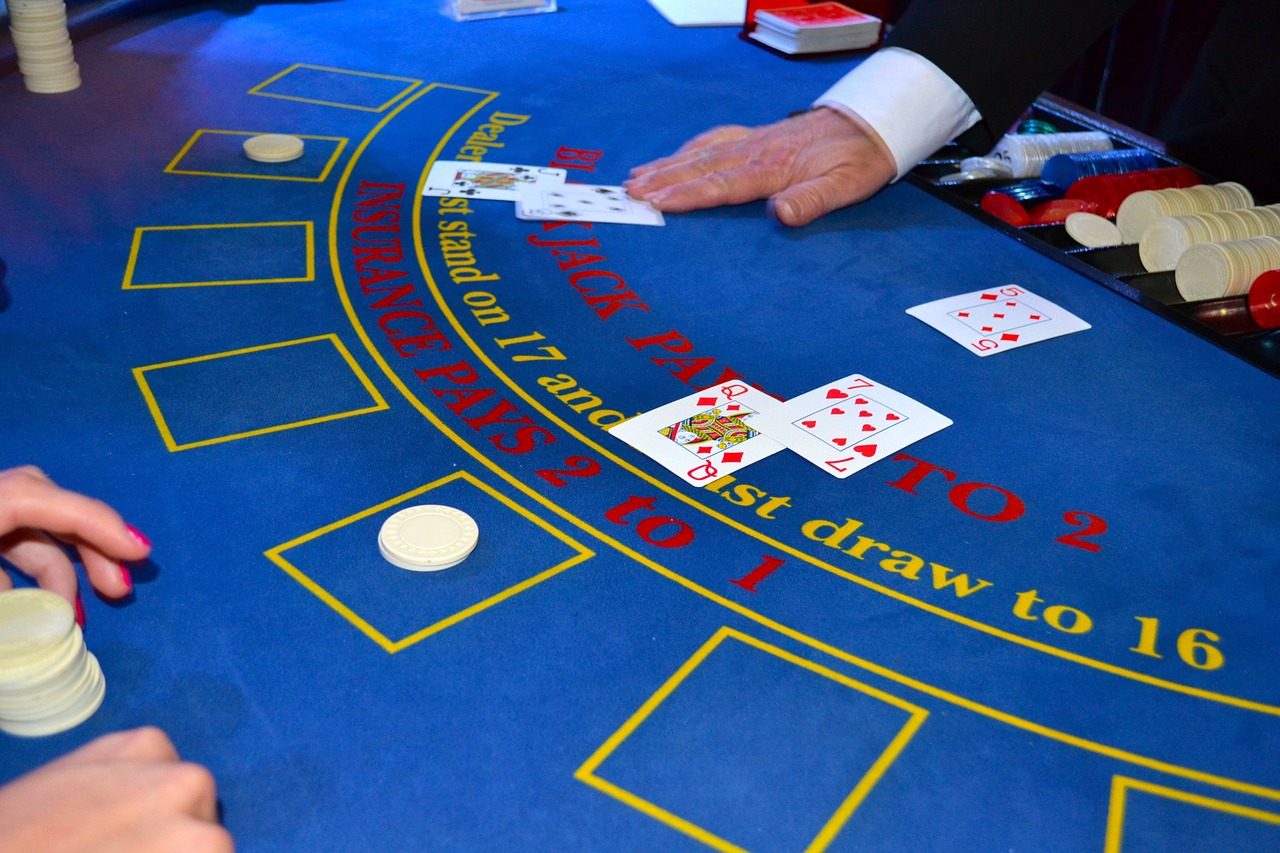
Modern gaming floors increasingly utilize smart tables equipped with advanced tracking systems. These tables maintain the classic tactile feel of casino-grade felt, wooden armrests, and physical chips, but underneath the surface lies a complex network of electronics designed to capture every millisecond of play.
-
Radio Frequency Identification (RFID) Chips and Readers: High-frequency RFID antennas embedded beneath betting spots, the dealer chip tray, and the discard rack read microchips embedded inside individual gaming tokens. This setup allows the casino to track exact wager sizes, payouts, and chip counts instantly, preventing dealer payout errors and deterring counterfeit chips.
-
Optical Card-Scanning Shoes: Advanced dealing shoes now integrate optical sensors that scan barcodes printed with invisible ink on the edges of playing cards as they are drawn. The system immediately registers which card has entered play, logging the value into the table management software before the player even picks up the hand.
-
Continuous Shuffling Machines (CSMs): Automated shuffling technology has evolved beyond early mechanical card mixers. Modern CSMs incorporate computerized randomizers that integrate discarded cards back into a multi-deck rotation seamlessly. This ensures continuous play without dealer downtime while neutralizing traditional card counting strategies.
Computer Vision and Real-Time Table Analytics
The integration of artificial intelligence and high-frame-rate overhead cameras has ushered in a new era of computer vision on casino floors. Rather than depending solely on manual bet tracking or chip weight calculations, modern surveillance systems actively monitor the geometry of the table.
These machine learning models are trained to recognize human hand gestures, such as taps for a hit, wave motions for a stand, and finger splits for dividing pairs. When combined with smart shoes and RFID bet detection, camera systems create an automated digital audit trail of the entire shoe.
If a player claims a dealer misread their hand or miscalculated a double-down payout, floor supervisors no longer need to halt the game for lengthy video reviews. The software flags discrepancies in real time, validating hand totals and accurate payouts in seconds. This speed significantly increases table velocity and ensures transparent dispute resolution for patrons.
The Live Dealer Revolution: Bridging Physical and Digital Realities
Perhaps the most influential development in modern blackjack has been the creation of live dealer gaming studios. When online casinos first emerged, blackjack was driven primarily by two-dimensional software using random number generators. While mathematically sound, these digital renditions lacked the social ambiance and tangible authenticity of a physical table.
Live dealer blackjack bridged that divide by broadcasting real human dealers managing physical shoes in dedicated, acoustically treated studio environments. This convergence depends on several integrated technologies:
-
Optical Character Recognition (OCR): High-speed cameras capture every physical card pulled from the shoe and convert visual symbols into digital data overlays on the player screen within milliseconds.
-
Ultra-Low Latency Video Streaming: WebRTC and proprietary streaming protocols have reduced latency down to sub-second levels, enabling instantaneous communication between the player chat interface and the live dealer.
-
Scalable Bet Behind and Infinite Formats: Physical tables are traditionally constrained to seven seats. Live dealer studios solved this bottleneck through scalable infinite tables, where one physical hand is dealt to an unlimited number of remote participants, each making independent tactical decisions through customized software interfaces.
Gameplay Variations and the Proliferation of Side Bets
Technological efficiency has allowed operators and game designers to experiment with mathematical variants and creative side betting systems without slowing the tempo of the game. On a manual table, complex side bets require substantial dealer calculation, which can stall the rhythm of play. Automated digital interfaces handle side bet resolutions instantaneously.
-
Progressive Jackpot Networks: By linking blackjack tables across multiple properties or vast online server clusters, operators can offer shared progressive jackpots that reach seven-figure sums, typically triggered by rare card combinations like three suited sevens.
-
Multi-Hand Betting Engines: Digital interfaces give players the capability to pilot up to five independent hands simultaneously against the dealer, each featuring isolated decision trees and adjustable stake sizes.
-
Rule Modifiers and Hybrid Games: Innovations such as Free Bet Blackjack, Blackjack Switch, and Spanish 21 have found massive digital audiences. Software calculations automatically process complex conditions, such as free splits, dealer pushes on twenty-two, and switching top cards between concurrent hands.
Mobile Architecture and Intuitive User Interfaces
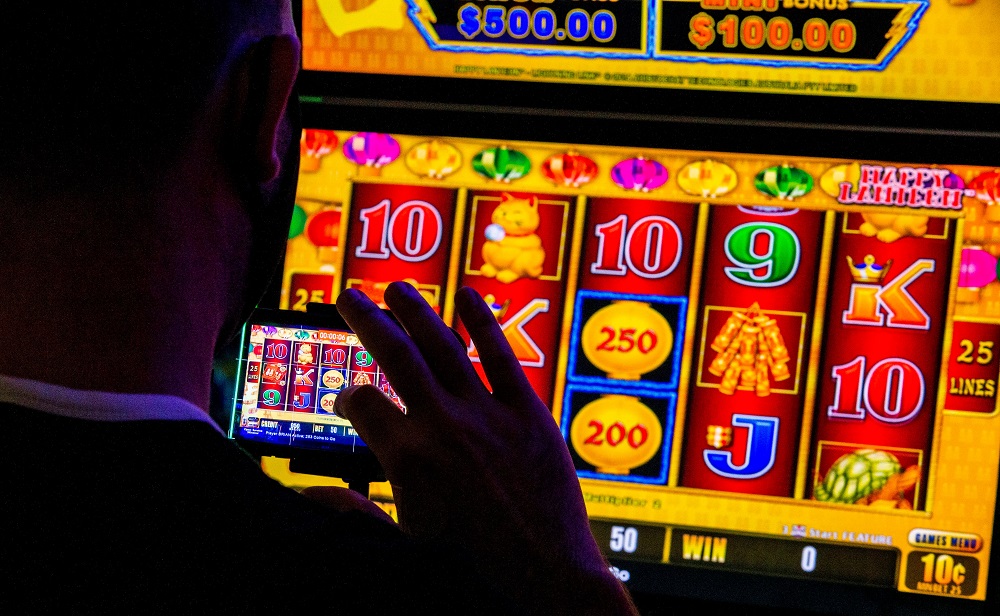
The transition toward mobile-first development has demanded substantial redesigns of user interfaces. Modern mobile blackjack applications are engineered to deliver desktop-grade performance on compact touchscreens.
Developers utilize responsive HTML5 frameworks that eliminate the need for heavy standalone software downloads. Haptic feedback mechanisms deliver subtle physical vibrations when cards are dealt or chips are wagered, mimicking the tactile feedback of physical casino equipment. Furthermore, simplified gesture controls allow mobile players to double down, hit, stand, or split with intuitive thumb swipes designed for comfortable single-handed operation.
Algorithmic Fairness and Cryptographic Verification
In the realm of fully digital, non-live blackjack, transparency and trust have been strengthened through cryptographic innovations. Random Number Generators (RNGs) used by licensed gaming operators undergo rigorous auditing by independent testing laboratories to guarantee statistical variance and non-predictability.
Beyond traditional RNG certifications, decentralized platforms have introduced provably fair mathematical models. Using cryptographic hashing functions, the server generates a secret shuffle seed, while the player browser provides a client seed. When the hand concludes, the player can inspect the raw cryptographic hash to verify mathematically that the game outcome was predetermined by the shuffle and was not altered dynamically by the software during play.
The Next Frontier: Augmented and Virtual Reality
As spatial computing hardware matures, the blackjack industry is actively experimenting with mixed-reality environments. Virtual reality headsets transport users into fully realized three-dimensional casino lobbies where they can sit beside avatars of friends, pick up their virtual chip stacks, and observe realistic dealer movements.
Concurrently, augmented reality glasses aim to overlay strategic statistics, hand histories, and basic strategy charts directly onto the user field of vision during casual home play or compatible social tables. These innovations signal a future where the boundary between physical gaming tables and virtual environments disappears entirely.
Frequently Asked Questions
How do online live dealer blackjack games prevent collusion between players and dealers?
Live dealer platforms maintain strict surveillance environments featuring multiple overlapping camera angles, automated optical card scanners, and continuous audio recording. Dealers are subject to rigorous background checks and do not handle cash directly. Because all bet placement, card value verification, and financial payouts are executed automatically by central computer servers rather than by the dealer hands, unauthorized physical payouts or collusion schemes are virtually impossible to execute.
What is the mechanical difference between a manual card shoe and a continuous shuffling machine?
A manual card shoe holds a set number of decks (typically six or eight) that are dealt until a plastic cut card is reached, after which the entire batch is shuffled manually or via a batch shuffler. A continuous shuffling machine (CSM) constantly recycles discarded cards back into the active deck pool after every round, creating an unpredictable, endless deck rotation that eliminates the downtime of standard shuffles.
Why do some digital blackjack tables offer different payout ratios for a natural blackjack?
Game designers occasionally balance unique rule perks, such as free double downs or surrendered hands, by adjusting the payout for a natural blackjack from the standard 3 to 2 ratio down to 6 to 5. Modern software variants make it easy for operators to configure these distinct mathematical models, which directly adjust the underlying house advantage.
How does basic strategy vary when playing against automated software versus a live dealer?
The mathematically optimal basic strategy depends strictly on the specific table rules (such as whether the dealer hits or stands on soft seventeen, deck counts, and surrender permissions) rather than the format of delivery. As long as the rule sets are identical, basic strategy remains mathematically identical whether playing against an automated random number generator or a human dealer.
Can optical character recognition systems misread damaged or smudged playing cards?
Modern OCR systems in casino studios use specialized high-contrast card faces, edge barcodes, and redundant sensor checks. If a card is physically damaged or bent in a way that prevents the camera from reading it with full certainty, the system automatically alerts the technical pit supervisor and halts the hand until the card value is manually confirmed and logged.
How do game providers ensure that mobile live dealer streams consume minimal cellular data?
Live casino streaming architectures incorporate adaptive bitrate streaming technology. The software dynamically senses the player bandwidth and cellular connection stability, instantly adjusting video resolution and frame rate to prevent buffering or dropped hands while minimizing overall data consumption.
What is the purpose of early payout options found in modern digital blackjack formats?
Early payout features use real-time probability algorithms to calculate the expected monetary value of a player hand at any specific decision point. The software presents an instant cash settlement offer, allowing the player to lock in a guaranteed profit or mitigate a potential loss before the dealer plays out their final cards.